

Scholarship
Digital Africa
Digital Africa Fuze: A Funding Hub for African Tech Startups
OnlineD−113
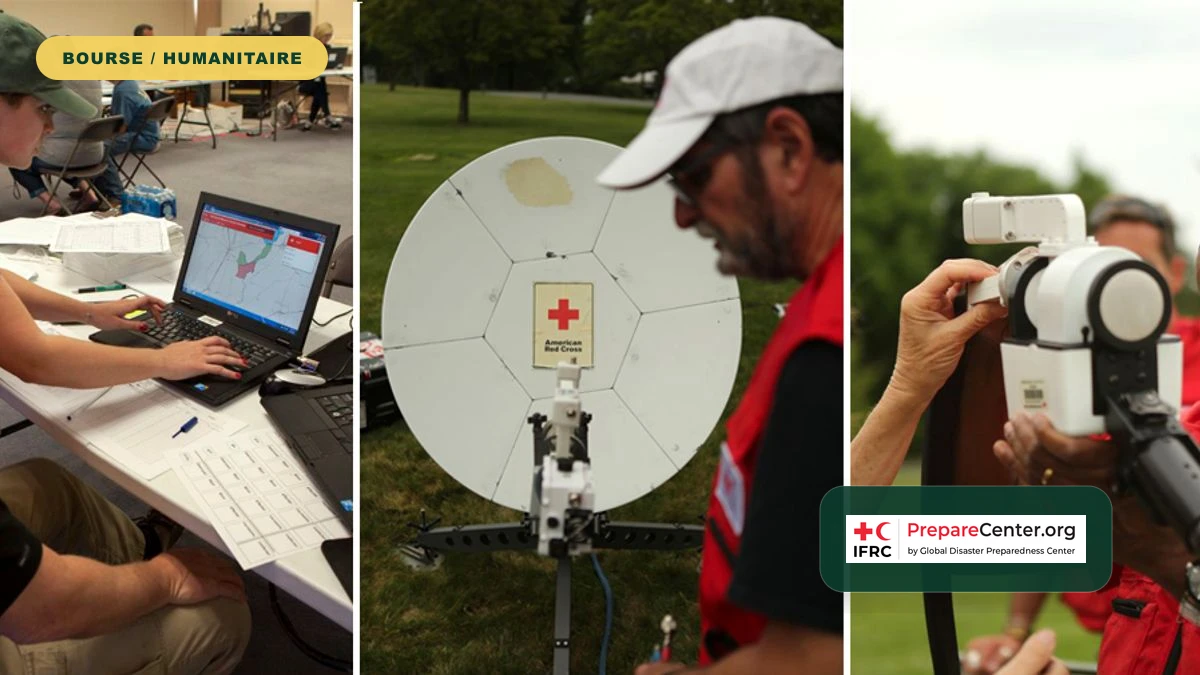
The GDPC Spotlight 2026 program, supported by the Global Disaster Preparedness Center and the French Red Cross Foundation, funds research on the ethical and responsible use of technology in humanitarian action. It offers $10,000 to researchers from low- and middle-income countries who are affiliated with an accredited university.
The GDPC Spotlight 2026 program, supported by the Global Disaster Preparedness Center and the French Red Cross Foundation, funds research on the ethical and responsible use of technology in humanitarian action. It offers $10,000 to researchers from low- and middle-income countries who are affiliated with an accredited university.
Stay connected
Join our community so you never miss an opportunity.
The GDPC Spotlight 2026 Research Grants are a grant opportunity sponsored by the Global Disaster Preparedness Center (GDPC). The GDPC Spotlight grants support academic research on the responsible adoption of information and communication technologies (ICT) in humanitarian contexts, conducted by researchers from the Global South. This SkillReFlex fact sheet outlines key information to help you understand the target audience, funding level, deadlines, required documents, program limitations, and important considerations before applying. Program Objective - The objective is to generate useful knowledge regarding community needs, technical feasibility, and data protection in humanitarian action. Proposed Experience : Selected projects receive $10,000 and run from November 2026 to June 2027 (eight months), focusing on one of the program’s three thematic areas. Funding and Benefits - The support offered is as follows: A research grant of 10,000 USD for the period from November 2026 to June 2027. Key points to note are: A research grant of 10,000 USD; Duration of eight months (November 2026–June 2027); Support from the GDPC and the French Red Cross Foundation; A clear thematic framework on humanitarian technologies; Emphasis on research from the Global South. When an opportunity combines mentoring, training, awards, travel, or visibility, it is important to distinguish between what is guaranteed, what depends on the final selection, and what remains the responsibility of the applicant. Research Profile : The program is open to researchers (doctoral students, postdoctoral researchers, and faculty members) who are nationals of low- or middle-income countries and affiliated with an accredited university in the social sciences and humanities. The main criteria to check are: Being a national of a low- or middle-income country (OECD classification); Being affiliated with an accredited university (Ph.D. student, postdoctoral fellow, or faculty researcher); Work in the social sciences and humanities; Propose research aligned with one of the program’s three focus areas. Timeline - The date set for public posting is: July 31, 2026, at 11:59 p.m. UTC. Official deadlines: Application deadline: July 31, 2026, at 11:59 p.m. UTC; Research period: November 1, 2026 – June 30, 2027. If the official page mentions multiple rounds, countries, categories, or time zones, always confirm the date that applies to your situation before finalizing your application. Application – Recommended procedure: Review the official call for proposals on preparecenter.org; Prepare a summary and a detailed description of the project; Draw up a budget in USD and gather the team’s summaries; Attach letters of collaboration from partner institutions; Submit the application by July 31, 2026 (11:59 p.m. UTC). Required documents include, in particular: Information about the applicant and a project summary; A detailed project description; A budget in USD with a breakdown of expenses; Resumes of the research team; Letters of collaboration from partner institutions. Anchor the project in a concrete community need. Incorporate a participatory methodology and a data protection component. Obtain a letter of support from a local partner early on. Keep a copy of each document submitted, use a permanent email address, and note the time zone for the deadline. Important Note : This publication does not replace the official source. Verified details: Program confirmed as open, deadline July 31, 2026 (11:59 p.m. UTC), on the official GDPC page on July 5, 2026; Amount (10,000 USD), eligibility (PRFI, accredited university), and timeline verified on the official source. Apply only through the official call for applications on preparecenter.org. No legitimate research scholarship requires an application fee. Apply only through the official channels listed and refuse any promise of selection in exchange for payment, any request for unlisted fees, or any contact that urges you to bypass the official channel.
Official source
Global Disaster Preparedness Center (GDPC)
https://preparecenter.org/activity/gdpc-research-activities/call-for-applications-research-grants-icts/
Editorial verification
Verified on July 5, 2026
Internal editorial verification.
Next revalidation: Jul 12, 2026
Trust status
Latest editorial review active.
The GDPC Spotlight grants support academic research on the responsible adoption of information and communication technologies (ICT) in humanitarian contexts, conducted by researchers from the Global South.
The goal is to generate useful insights into community needs, technical feasibility, and data protection in humanitarian action.
Selected projects receive $10,000 and take place from November 2026 to June 2027 (eight months), focusing on one of the program’s three thematic areas.
Strengths
Funding Announcement: A $10,000 research grant for the period from November 2026 to June 2027.
What the program offers
The program is open to researchers (doctoral students, postdoctoral researchers, and faculty members) who are nationals of low- or middle-income countries and are affiliated with an accredited university in the social sciences and humanities.
Criteria to Check
UTC. Proposals with an unconfirmed deadline must be reviewed directly on the applicant portal before submission.
Key Dates
Prepare your materials offline before filling out the form. Platforms sometimes close without saving drafts, especially when deadlines are approaching.
Documents or information
The procedure below serves as a practical checklist. The official guidelines take precedence if a form adds a specific step or document.
Recommended Steps
These tips translate the official criteria into practical steps for preparation. They do not guarantee selection, but they help you avoid submitting vague or incomplete applications.
To strengthen the case
Best Practices
D'autres bourses, dont la clôture approche.